What this site is for
Progression Warrior reads a line of chord symbols and nothing else: the key and mode it sits in, the Roman numeral of every chord, and the declared move each chord makes. It draws no instrument, plays no sound and teaches no theory, which is exactly why it needs the rest of the network.
Once a line is read, the questions that follow belong elsewhere — how the chord feels under the hand, why a borrowed chord sounds the way it does, what a jazz player or a bluegrass band would do with the same four bars. Every site below answers one of those.
Where a reading goes next
 String WarriorOnce a line is read and a chord in it turns out to be borrowed, the place to see that chord drawn on whichever of twenty-odd instruments is actually in your hands.
 Theory WarriorThis site spots a borrowed chord or a secondary dominant in the line you typed. That site is where the reason it works is taught, one idea per page, with no line of yours attached.
 Keys WarriorA reading here ends in Roman numerals on a screen. That site puts them under the fingers, with every chord and scale laid out on the keyboard.
 Ukulele WarriorMany of the lines people bring to an analyser were learned on four nylon strings; that site is where their chord shapes live, voiced for every ukulele it models.
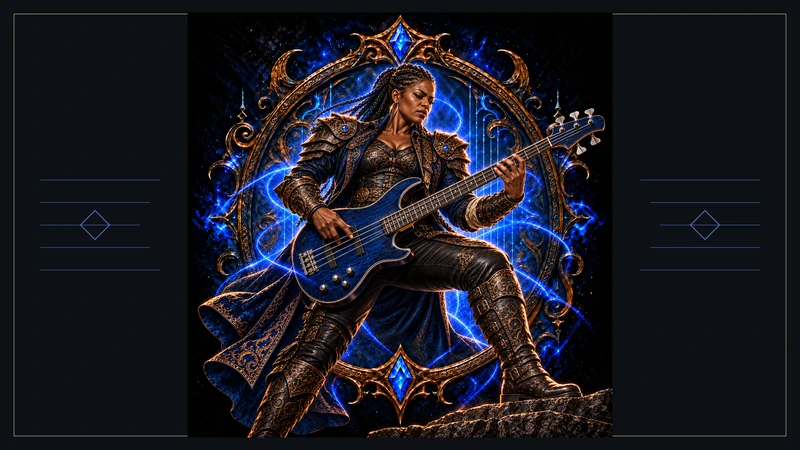 Bass WarriorThe bass note under a slash chord changes what a line reads as here. That site is the bass itself, with the lines that walk from one of these chords to the next.
 Mandolin WarriorA progression read here plays the same on a mandolin, a fifth-tuned neck where every chord shape moves in one piece; that site draws them all.
 Guitar WarriorMost chord lines typed into an analyser were first strummed on a guitar. That site is where every one of those chords, and every guitar in the family, is taught in depth.
 Banjo WarriorA banjo in an open tuning makes some keys easy and others awkward, which is often why a song sits where it does; that site covers the tunings and the shapes.
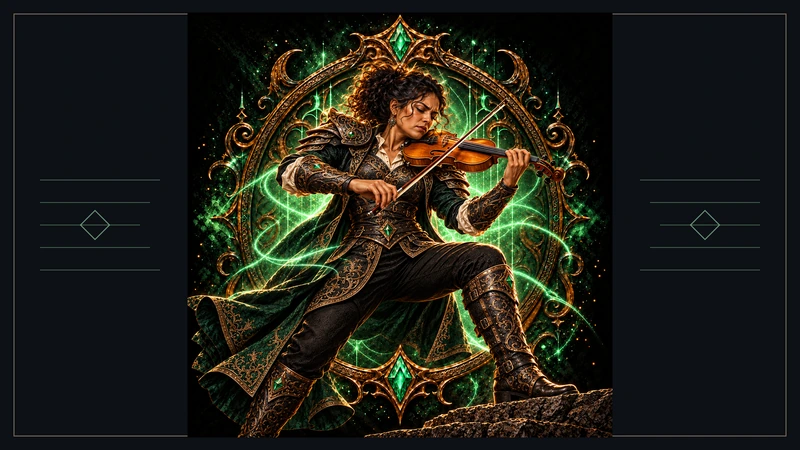 Fiddle WarriorA fiddle reads a progression one note at a time, and each chord here becomes a set of notes to choose from; that site is the violin family's fingerboard.
 Ear WarriorThis site reads a progression from its symbols. That one asks you to name it with the page blank and only the sound to go on, which is the other half of the same skill.
 Bluegrass WarriorBluegrass songs lean on three chords with the occasional major II pushing toward V, lines this site reads cleanly. That site is the band itself: the seats, the jam and the repertoire.
 Music Warrior NetworkThe map of every sister site, for the reader who came to read a chord line and now wants the site that owns the instrument or the style behind it.
 Nashville WarriorThe same progression written the way a Nashville session writes it, as a chart of numbers any player can read in any key. This site keeps to Roman numerals.
 Mariachi WarriorA mariachi son leans on a handful of chords, moved to whichever key suits the singer; that site reads those forms section by section, for a whole ensemble.
 Jazz WarriorThis site detects a move in whatever line you bring. That site starts from a named standard and a named idiom and shows what players do to it on the bandstand.
 Country WarriorA country record builds its song from parts — verse, chorus, bridge — and gives each chair its job. That site maps those parts; this one reads the chords underneath.
 Tres WarriorA Cuban montuno repeats one short cycle of chords for minutes on end, about as far from a long chart as music gets; that site is the tres and the figure it plays over it.
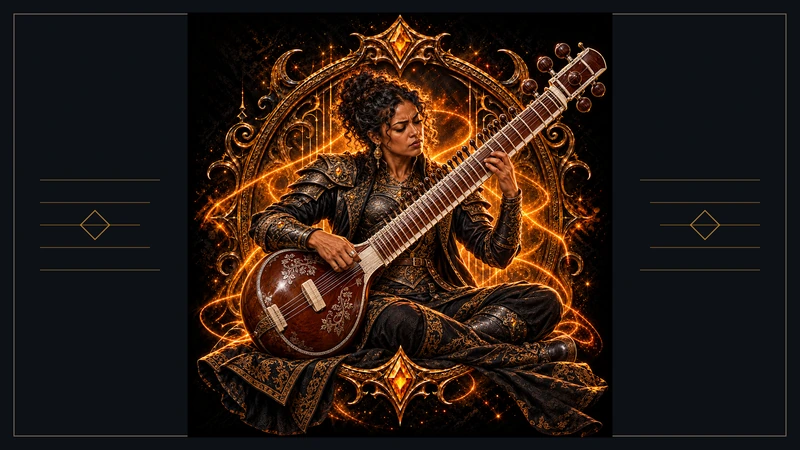 Sitar WarriorA raga has no chord progression at all — the harmony is one drone held under a melody. That site is the sitar and the thaats its ragas come from.
 Oud WarriorArabic maqam music moves by melody over a tonic, not by chords over a bass, which is the useful opposite of everything read here; that site is the oud.
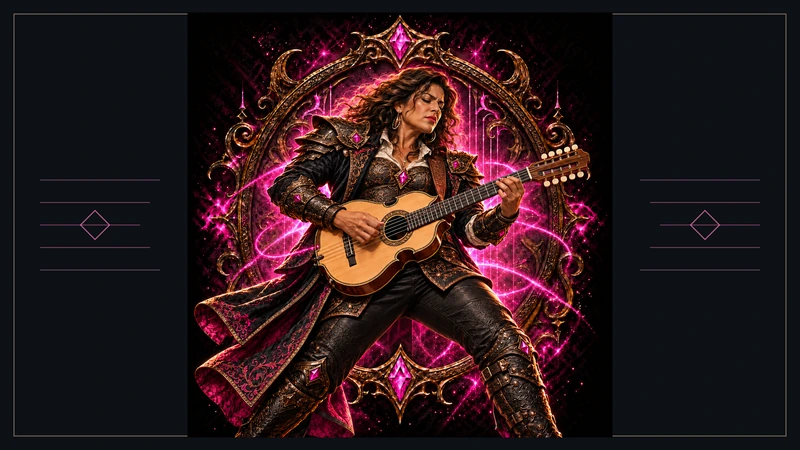 Cuatro WarriorThe Puerto Rican and Venezuelan cuatros each carry a national repertoire on a handful of chords; that site is both instruments, their tunings and their strokes.
 Charango WarriorAndean songs often move between a minor key and its relative major, two keys with every note in common — the case where a reading here leans on where the line starts and ends. That site is the charango.
 Cavaquinho WarriorChoro and samba are dense with secondary dominants chaining down the circle, lines this site reads move by move; that site is the cavaquinho that strums them.
 Gear WarriorPlayed live, a line goes through strings, pedals and an amp this site never sees. That site sets out what to buy for the sound, and which company is really behind the badge.
How the network divides the work
Almost every site in the network publishes progressions of its own; none of them reads the one you bring. That split is deliberate: the instrument sites voice, the theory site explains, the style sites play, and this site spots what each chord is doing in the line in front of you.
Sisters still being built are not in the list yet. Each joins the day it opens, on the same terms as the rest — one subject, one home, and a straight sentence here about why you would leave for it.